
Sub-Total: $0.00
Power Plates/70MM TB/Plenums
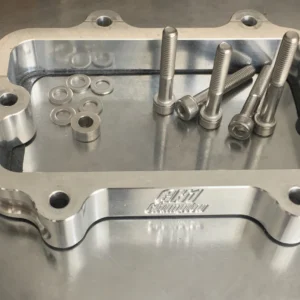
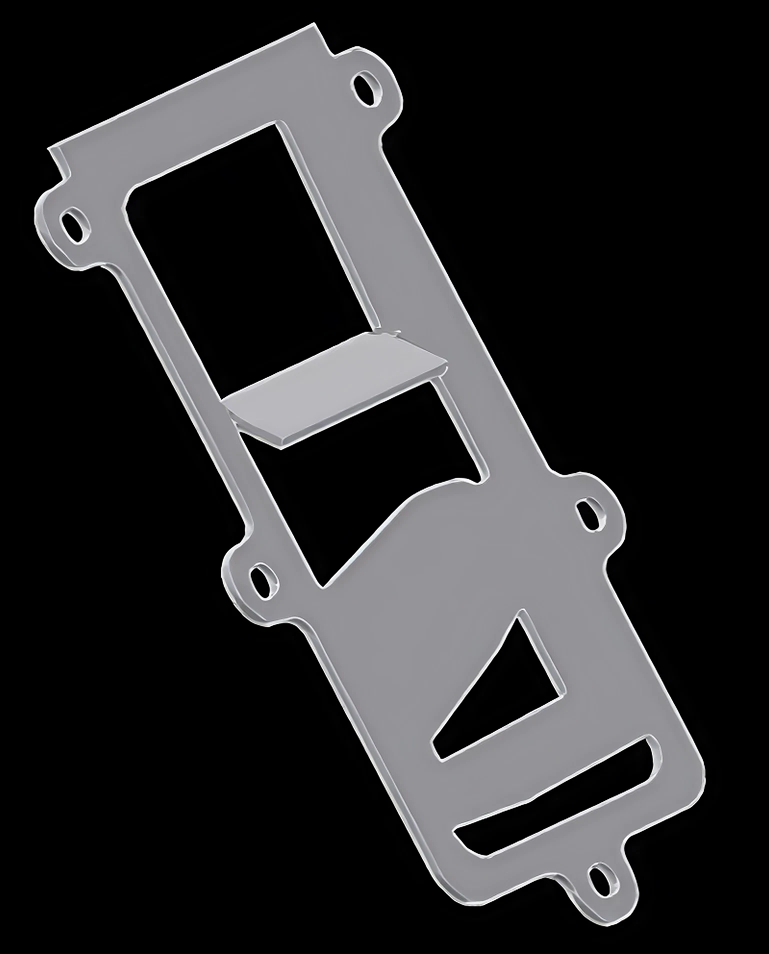
The RJC Power Plate-P works extremely well with the Precision style plenum. There is no better flowing or more evenly distributing package out there. Shown on the Right: RJC Plenum and Power Plate Combo.
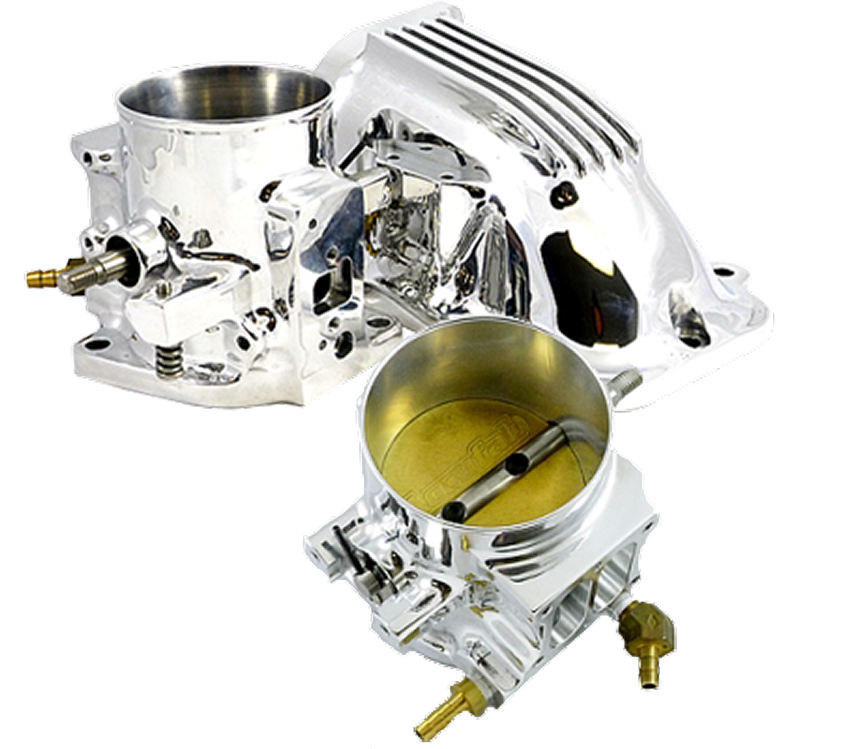
TB/Plenum/Power Plate Combo Packages
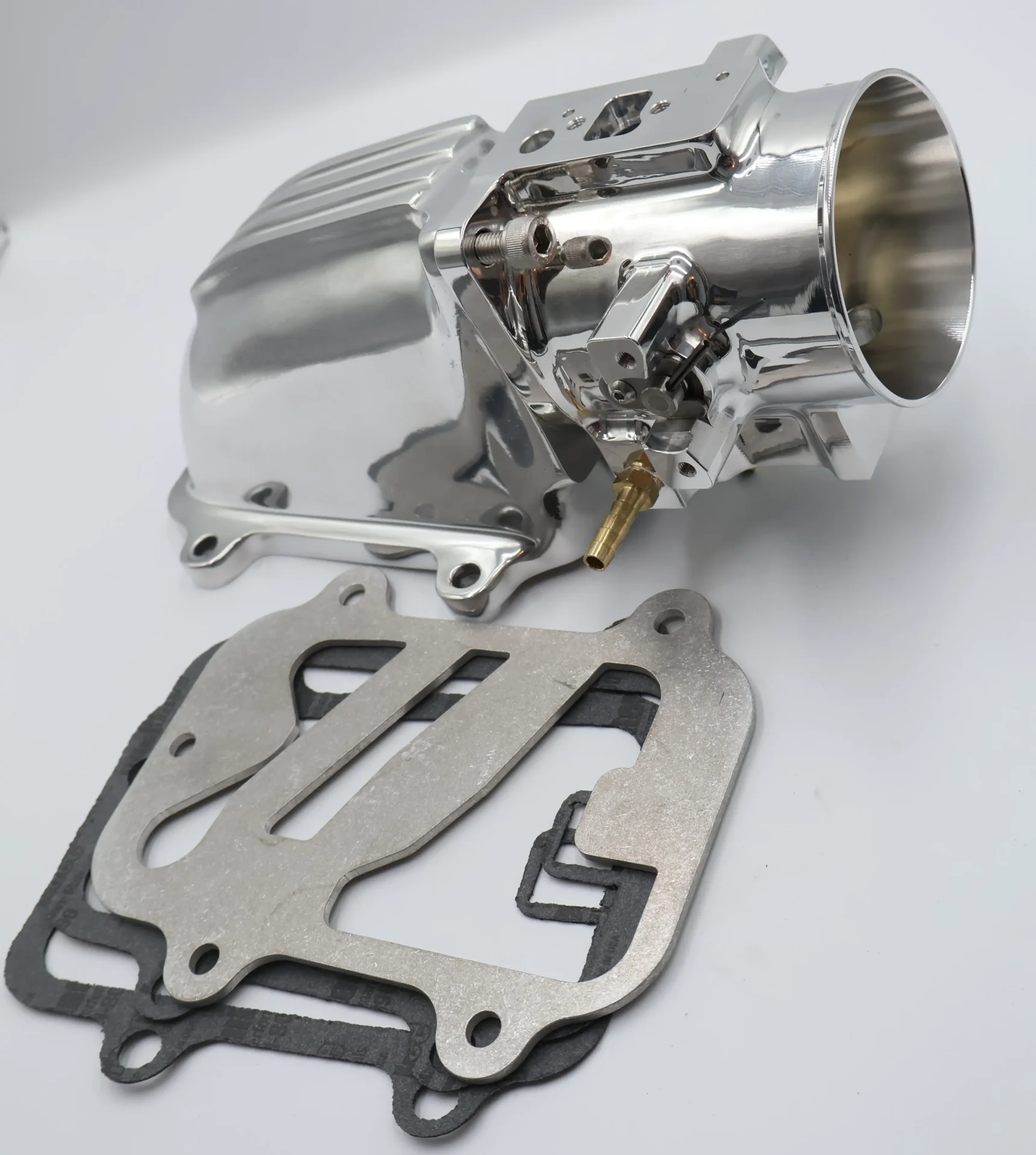
TB/Plenum/Power Plate Combo Packages
Price range: $249.00 through $679.00
Additional information
| Weight | 10 lbs |
|---|---|
| Dimensions | 12 × 8 × 8 in |
| Options | Polished Plenum, Power Plate and Polished Acufab 70MM TB, Plain Plenum, Power Plate and Polished Acufab 70MM TB, Black Anodized Acufab 70MM Throttle Body, Polished Acufab 70MM Throttle Body, Polished Finish Plenum and Power Plate Combo, Plain Finish Plenum and Power Plate Combo |
Related products
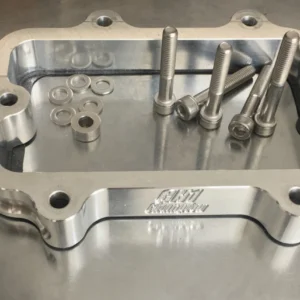
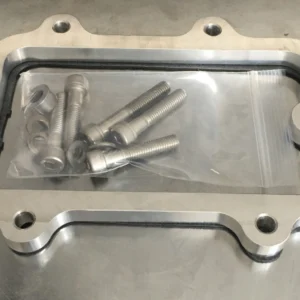
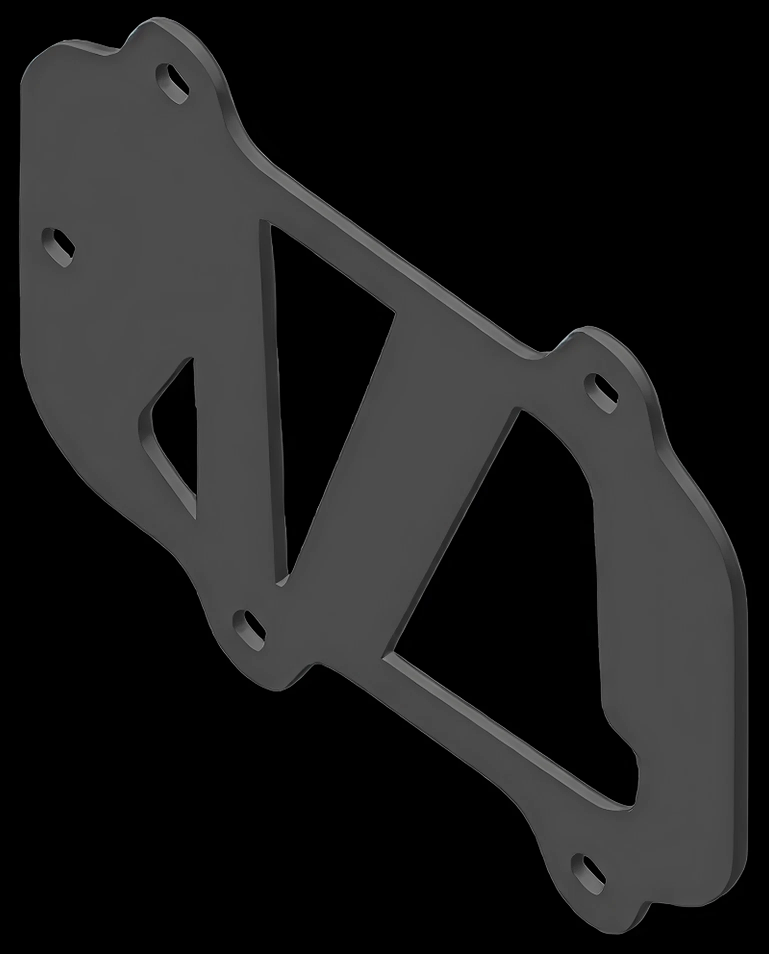
RJC-#ADPPS
Stock Plenum
Price: $69.00
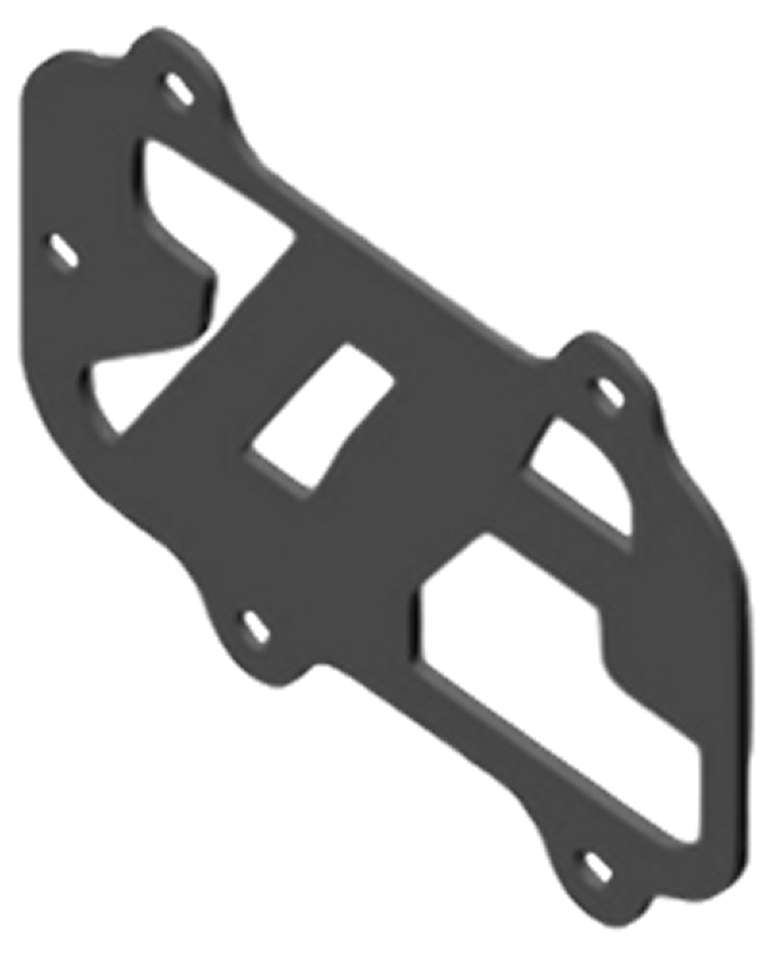
RJC-#ADPPK
K.B. / Acufab Plenum
Price: $69.00
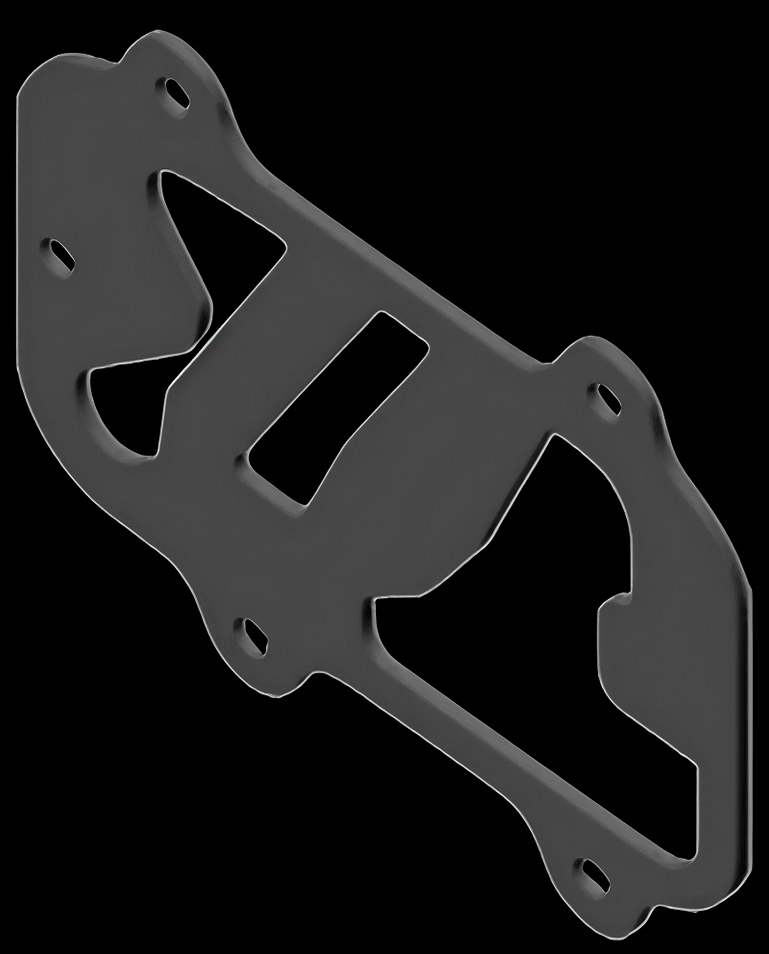
RJC-#ADPPP
Precision Plenum
Price: $69.00
RJC-#ADPPC
Champion Intake
Plenum Plenum
Price: $99.00
RJC AD Power Plate
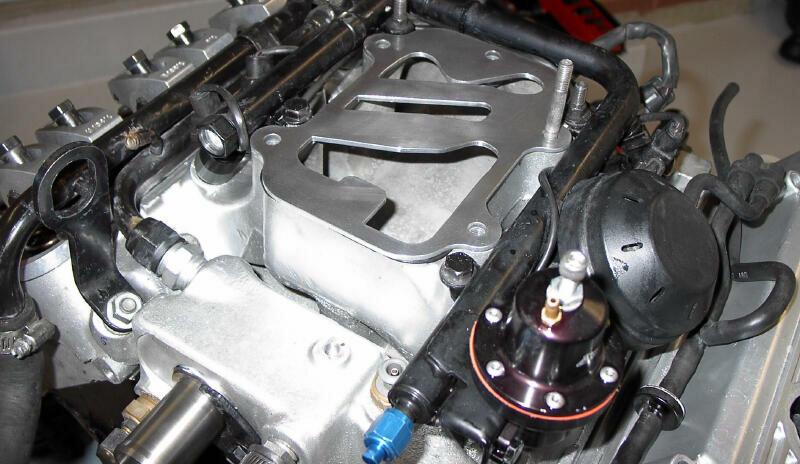
This plate is like a plenum spacer. Its purpose is to evenly distribute airflow to all cylinders through the intake manifold and not to add volume to the upper plenum like all previous spacers that do nothing. After extensive research and testing we have a profile that maximizes flow to all cylinders.
This piece is 1/8″ thick. It uses all the stock fastening hardware. It simply bolts on with nothing more to modify. We designed this plate on a 2000 CFM airflow generator. We measure the actual airflow at the valve opening. Something like this plate or upper plenums CANNOT be designed on a flow bench. They must be designed duplicating what is actually happening inside the manifold under boost. This is exactly what we have done and that is why our plate works so good.
After market plenums like the Kenny Bell, Precision and Acufab do not distribute airflow evenly either. We have developed a plate for each of these plenums. We could not use the stock power plate as they flow differently than the stock plenum. We have found that although the Hemco plenum is better than stock it does not distribute the air even either. There is no way you can distribute the flow evenly with a square hole, period. We can not correct the Hemco plenums. They have to small of open area to manipulate the incoming air. The Hemco reduces the high/low cylinder airflow differential but actually makes the middle two cylinders the leanest. These middle two have shared head bolts, this is not the most ideal situation to say the least.
We have personally gone 9.10 @ 150 with the ADPPc and a precision plenum on our stock block TSM legal 3670lb car. Dave Bamford and Roy Garcia have both gone 9.5s @ 142 with Airflow Distribution Power Plates with TSM legal Turbo Regals. Most of the fastest non stage 2 headed cars are running power plates.
Plenum Cylinder Airflow Comparison
RJC Power Plate Flow Chart’s
Plenum flow charts comparison each cylinder to average of all cylinders for that plenum.
Stock Plenum
1 -40% 2 -81%
3 +24% 4 -33%
5 +68% 6 +63%
Flow Range; 149%
Stock plenum with AD Power Plate-S
1 -5% 2 -2%
3 +5% 4 +4%
5 -5% 6 +2%
Flow Range; 10%
Kenny Bell 70mm Plenum
1 -44% 2 -52%
3 +32% 4 -8%
5 +30% 6 +40%
Flow Range; 96%
Precision 70mm Plenum
1 -56% 2 -59%
3 +36% 4 -2%
5 +27% 6 +36%
Flow Range; 95%
Kenny Bell Plenum with AD Power Plate-K
1 +5% 2 -5%
3 +1% 4 0%
5 -1% 6 +1%
Flow Range; 10%
Precision Plenum with AD Power Plate-P
1 -3% 2 +2%
3 -3% 4 +2%
5 +2% 6 -2%
Flow Range; 5%
Hemco 70mm Plenum
1 -20% 2 -21%
3 +21% 4 -13%
5 -10% 6 +14%
Flow Range; 42%
Hemco Style Plate (Just for kicks)
1 -35% 2 -29%
3 +23% 4 +24%
5 -2% 6 +19%
Flow Range; 59%
Power Plate FAQs
Q1. That thing looks restrictive,is it?
When searching for restrictions, you must first look at the most restrictive piece in a system. When it comes to our turbo buicks the most restrictive piece is the throttle body. The Power Plate by itself out flows even the huge 70mm throttle bodies by 50%.With the stock plenum the Power Plate utalizes all of the ports instead of trying to force most of the charge through the back two ports . Because of this, total airflow through the manifold is actually increased !!
Here are some solid flow percentages. The stock plenum and t.b without a power plate as a baseline.
- Stock tb. 100%
- Stock tb. with ADPPs plate 100-102%
- Precision plenum with 70mm t.b. 123%
- Precision plenum with 70mm + ADPPp plate 120%
- Kenny Bell plenum with 70mm t.b. 125%
- Kenny Bell plenum with 70mm + ADPPk plate 111%
- Hemco Plenum with 70mm tb 113%
Q2. Why the funny shaped triangles, why not ovals?
There is no reason for the triangle shaped openings, that is what the plate evolved to. Air flow dynamics is very complicated. What you think would work does not. These are the shapes that the plate has to be. The goal is to make a plate that distributes the air evenly to all cylinders and have the largest open area posable, which means more flow and less restriction. Our smallest plate’s open area has 211% the area of a stock tb not including the throttle plate. So as you can see we achieved our goal
Q3. How thick is the plate? What is it made of?
The plate is made from 6061 T6 aircraft quality aluminum and is 1/8″ thick.
Q4. Do I need to change the mounting hardware to run the plate? Will it affect clearances?
It was designed to use the existing hardware and/or stock hardware. Because it is only 1/8″ thick it does not change clearances enough to cause any problems. Even when using the precision plenum which locates the T.B. 5/8″ higher the hood clears no problem.
Q5. Can you make me one for the Hemco Plenum?
No, because the opening is already so small, it is impassable to manipulate the airflow in that small area.
Q6. Can I run my plenum spacer with a plate?
Because of the wide assortment of spacers available to us it would be impassable for me to test each and every thickness of spacer. The spacer does affect the how the air flows through the plate so the flow distribution is hard to predict. In other words, not if you want it to work properly.
Q7. I have a Jay Jackson modified plenum will this work with a stock style plate?
Yes as long as there has been no shaping of the back wall of the stock plenum.
Q8. Will my EGR function with the plate?
Yes you can, The plate is made so that you have a choice of weather or not you need egr function. If you need it just follow the instructions in the kit. (it is very simple)
Q9. What if I have milled off the EGR tower inside the lower intake manifold, will that effect the flow?
We have found that it really does not affect the distribution much. with or without the plate. The flow path before the plate is what is critical to the distribution.
Any more questions you can e-mail or call Jason Cramer
RJC Power Plate Dyno Run
Here is a typical example of what we see when dyno testing the plate. The blue “Dynorun.002″represents a dyno pull without the plate. The Red “Dynorun.005 represents a dyno pull with the plate installed. These runs were taken back to back without any other changes other than the addition of the plate. This was WITHOUT increasing the boost . We see greater gains in HP being able to increase boost pressure because with even airflow distribution the knock threshold is raised Typically 2-4lbs. This means the real gains come from being able to increase the boost pressure without knock.
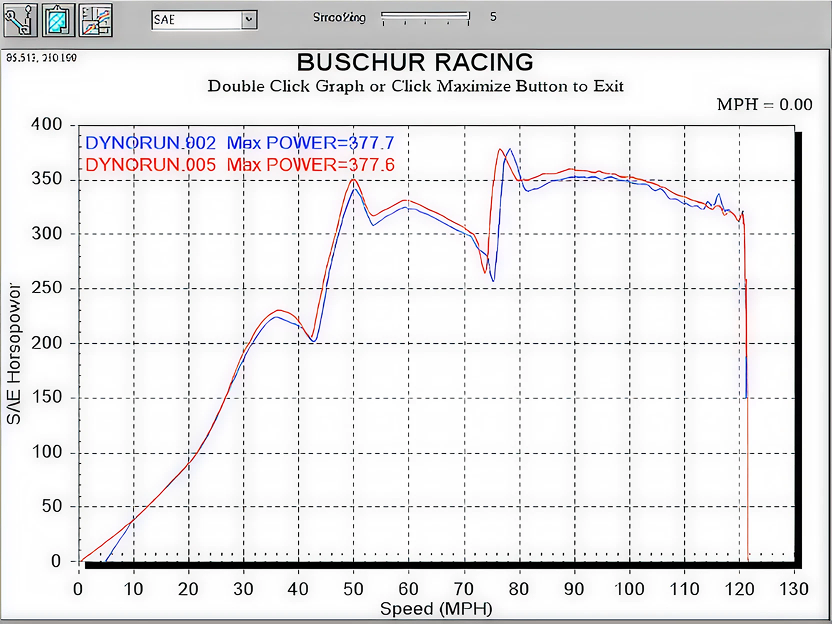
This independent Dyno test is brought to you courtesy of Buschur Racing.
Thanks Dave Buschur at Buschurracing.com
RJC Racing Power Plate Track Testing
Test #1
1987 GN stock long block, TE-44, 15 row stretched Stock location intercooler, 009 inj. 4500 ft. ele.
We made 3 baseline passes with the stock plenum at the maximum boost that we could run with the gas we were using. We were running VP C-16 The baseline runs were made at 26# of boost. This was the most boost we could run as we had 3-6 deg knock retard every run.
- 12.50 at 108
- 12.55 at 107
- 12.53 at 107
We then installed the AD Power plate and made 4 more passes. Turning up the boost each pass because we had no knock.
- 12.49 at 108 • 26# no knock
- 12.45 at 109 • 27# no knock
- 12.40 at 109 • 28# no knock
- 12.35 at 109.8 • 29# no knock
- 12.40 at 110 • 30# 8 deg knock
On the last pass we pushed a little through the lights so the clock started before we let off of the brake.
Since we first tested the plate we have tuned an additional three and a half tenths out of the E.T. The car now runs consistent 11.80 at 114 at the same elevation with no other changes.
Our conclusion with real world testing confirmed what we were seeing on the flow bench. The Power plate maximized the airflow to all cylinders. Remember you can only run as much boost as the weakest cylinder will allow. This plate allowed us to run 4 more pounds of boost than with out it. Which in turn gave us almost 3 tenths reduction in E.T. and more than 3 MPH.
Test #2
I have tested it on my personal car, an 87 GN with extensive modifications. After installing the plate I made 4 passes they were all in the 10.60-10.65 range. This was at about 22-23psi. I then took the plate off and made another pass, 10.76 with identical 60′ as before. This was the slowest pass of the day by .11 of a second.
Test #3
The GSCA “Buick Grans Sport Club of America” did back to back tests at the 2002 GSNationals in bowling green KY. Their test neted a 2 tenth reduction in E.T. and a 2MPH increase in 1/4 mi times. This was without increasing the boost pressure. How you say? The test vehicle was experiencing slight knock without the plate, once the plate was installed the knock retard was gone and thus netted the 1/4 mi results.